We can gain a sense of the EU’s overall ambition, attention to detail and commitment to transparency by looking at two of its most substantial pieces of product legislation:
RoHS -- Restriction of Hazardous Substances
REACH -- Registration, Evaluation, Authorization and Restriction of Chemicals
The RoHS is a directive regulating the manufacture, import and distribution of Electronics and Electrical Equipment (EEE) within the EU, which restricts the use of 10 different hazardous materials (to date).
The first RoHS iteration (RoHS 1) hit the market on July 1, 2006 with a list of 6 chemicals (lead, mercury, cadmium, hexavalent chromium, polybrominated biphenyls, and polybrominated diphenyl ether). The content of these chemicals in any “homogeneous” material -- meaning any single substance such as plastic -- cannot exceed 0.1% or 1000 parts per million, with the exception of cadmium, where the threshold is even lower, at 0.01% or 100 ppm.
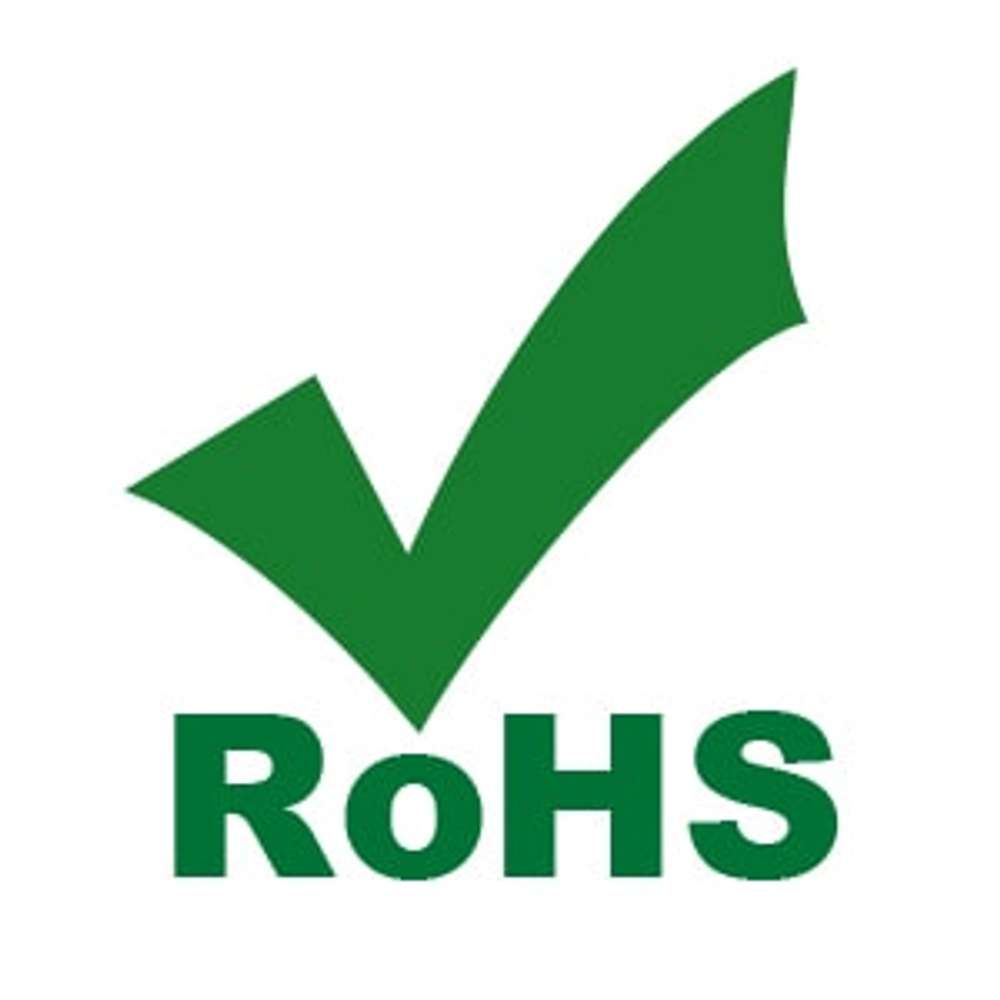
For RoHS 1 compliance, a company was required to maintain and keep records of compliance, using this iconic green check on all EEE products cleared for market.
RoHS 2, which took effect on January 2, 2013, expanded the scope of the directive to more products, like electric cables and spare parts, and stepped up documentation requirements for thoroughness and frequency of updates.
Additionally, RoHS 2 requires compliance recordkeeping from everyone in the supply chain and not just from the company selling the finished product.
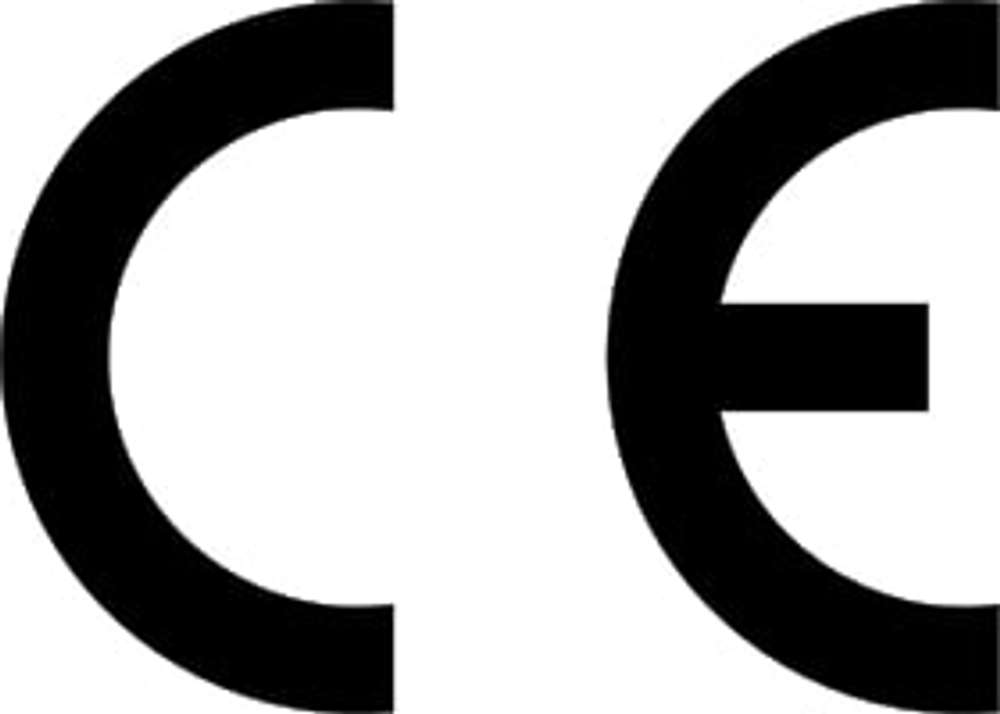
For compliance labeling, the "green check" was replaced with the more uniform CE "Conformité Européenne" marking.
Since RoHS 1, four additional chemicals -- specifically, 4 types of phthalates -- have been added to the list. This new change (RoHS 3) took full effect on July 22, 2019. ROHS Phthalate restrictions are not applied to toys, which are already subject to the restrictions of REACH.
Get more information about RoHS compliance and certification: RoHS Compliance: Responsible Assembly Required and QIMA's RoHS testing service.
REACH compliance is broader in scope and takes a different approach to regulation and documentation than RoHS.
REACH applies to every product manufactured, imported or sold within the EU. In a way, REACH is a way for the European Chemicals Agency (ECHA) to collect information about virtually every chemical substance used for day-to-day and industrial products.
REACH deals more in the regulation of chemical substances, particularly those known as substances of very high concern (SVHC). Substances considered carcinogenic, mutagenic, toxic for reproduction, or bioaccumulative fall under SVHC criteria.
EU manufacturers and importers are required to register all substances produced above a set yearly volume to:
Identify the risks associated with the substances they produce.
Demonstrate to the ECHA the ability to manage those risks.
Establish safe use guidelines for their product so that the use of the substance does not pose a health threat.
Additionally, there are now over 240 SVHCs requiring authorization for use by the ECHA, and the list will continue to grow.
Read more about ensuring compliance with the REACH regulation: REACH Compliance Testing
Today’s changing market is following a more conscientious path to material production. What goes into each product is just as important as how it turns out. People are concerned about their family’s health, safe labor practices, and the environment. The European Union has established itself as a leader in safe production legislation, and it is reverberating throughout the world.
We help brands and manufacturers stay connected with this new market with quality assurance and top-tier lab testing.
Our online platform and mobile application make it easy for you to schedule RoHS and REACH compliance tests and view your results at any time. Book new tests, view pending orders, and access results from your mobile device. Our online platform provides valuable supply chain insights, including a summary of your QC activity, all of your supplier’s quality stats, industry benchmarking data, and more.
Get Started: Login or Create Your Account
What's the difference between REACH and RoHS?
REACH - EC 1907/2006 - governs the registration and safe use of chemicals in all EU industries, while RoHS - 2011/65/EU - restricts certain hazardous substances specifically in electrical and electronic equipment.
Which products fall under REACH vs RoHS regulations?
REACH covers a broad range of consumer and industrial chemicals, including substances in articles. RoHS applies only to electrical/electronic devices, such as computers, household appliances, and lighting equipment.
How does QIMA support REACH compliance testing?
We screen for SVHCs (substances of very high concern), phthalates, and other regulated compounds per REACH. Our reports align with ECHA's candidate list requirements.
How does your RoHS testing service work?
Our RoHS labs test for the six restricted substances - lead, mercury, cadmium, hexavalent, chromium, PBDEs, and PBBs - using ICP-OES and GC-MS methods to EN 62321 standards.
Can a single test cover both REACH and RoHS requirements?
Often, yes. We can design a consolidated testing panel that meets both REACH SVHC screening and RoHS heavy-metal/organic pollutant analysis to save time and cost.
What's the typical turnaround time and cost for combined testing?
Combined panels usually take 7-10 business working days. Please contact us for a custom quote - volume discounts and rush services are available.


